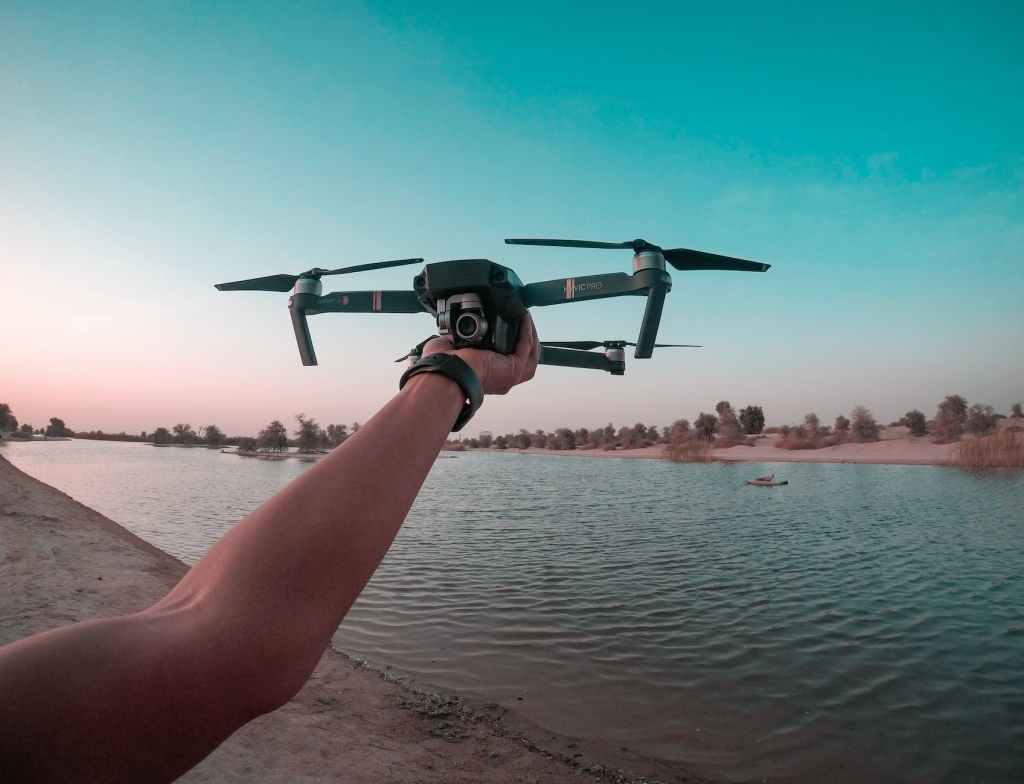
Drones have become increasingly popular in recent years, both as a recreational hobby and as a tool for various industries. But what exactly is a drone and what are its features? In this article, we will explore the basics of drones and the key features that make them so fascinating.
At its core, a drone is an unmanned aerial vehicle (UAV) that can be remotely controlled or programmed to fly autonomously. Drones come in various sizes and designs, ranging from small ones that can fit in the palm of your hand to larger models used for professional aerial photography and videography. They are equipped with multiple rotors or propellers that enable vertical takeoff and landing, as well as agile and stable flight capabilities.
One of the key features of a drone is its ability to capture stunning aerial imagery. Most drones are equipped with high-resolution cameras that can capture photos and videos from unique perspectives. This feature has revolutionized industries such as filmmaking, real estate, agriculture, and surveying, where aerial shots are essential in providing valuable data and captivating visuals.
Another important feature of drones is their maneuverability and stability. Modern drones are equipped with advanced flight control systems, including gyroscopes and accelerometers, which enable them to hover in place, fly in various directions, and perform complex maneuvers. Some drones even have intelligent flight modes that allow them to follow a particular subject, create pre-programmed flight paths, and perform aerial stunts.
Drones also offer the advantage of easy portability and accessibility. Unlike traditional aircraft, drones are lightweight and compact, making them easy to transport and operate in different locations. They can be launched from virtually anywhere and operate at different altitudes, providing flexibility and convenience for users.
In recent years, drones have seen significant technological advancements, leading to the emergence of new features and capabilities. For example, many drones are now equipped with GPS navigation systems, which enable precise positioning, waypoint navigation, and return-to-home functions. Some models also include obstacle avoidance sensors and intelligent tracking systems, ensuring the safety and reliability of flight operations.
Moreover, drones can be equipped with additional accessories and payloads to enhance their functionality. This includes thermal cameras for capturing heat signatures, LiDAR sensors for 3D mapping, and even delivery mechanisms for transporting small items. These customizable features allow drones to be tailored to specific applications and industry needs, making them versatile tools for various professionals.
In conclusion, drones are unmanned aerial vehicles that offer exciting features and capabilities. From capturing breathtaking aerial imagery to providing maneuverability and portability, drones have revolutionized industries and opened up new possibilities. As technology continues to advance, we can only expect further developments and innovations in the world of drones.

 TREND WAVE TECH